
Right-to-repair compliance just got specific.
Your dealer portal won't deliver it.
Highlights of the case
$99M
Class action settlement
10 years
Of digital tool access required
3 pillars
Repair, diagnostics, access
What the Deere settlement actually requires
- John Deere agreed to provide digital repair tools, diagnostics, and maintenance resources to customers and independent technicians for ten years. The settlement establishes a precedent for the industry.
- The court did not define usable. That is where practical access becomes the real test, and where every heavy equipment OEM will be measured next. Legal compliance is the floor, not the standard.
- BILT is the practical content layer that meets the standard, without dismantling your dealer economics.
What you get with BILT

01
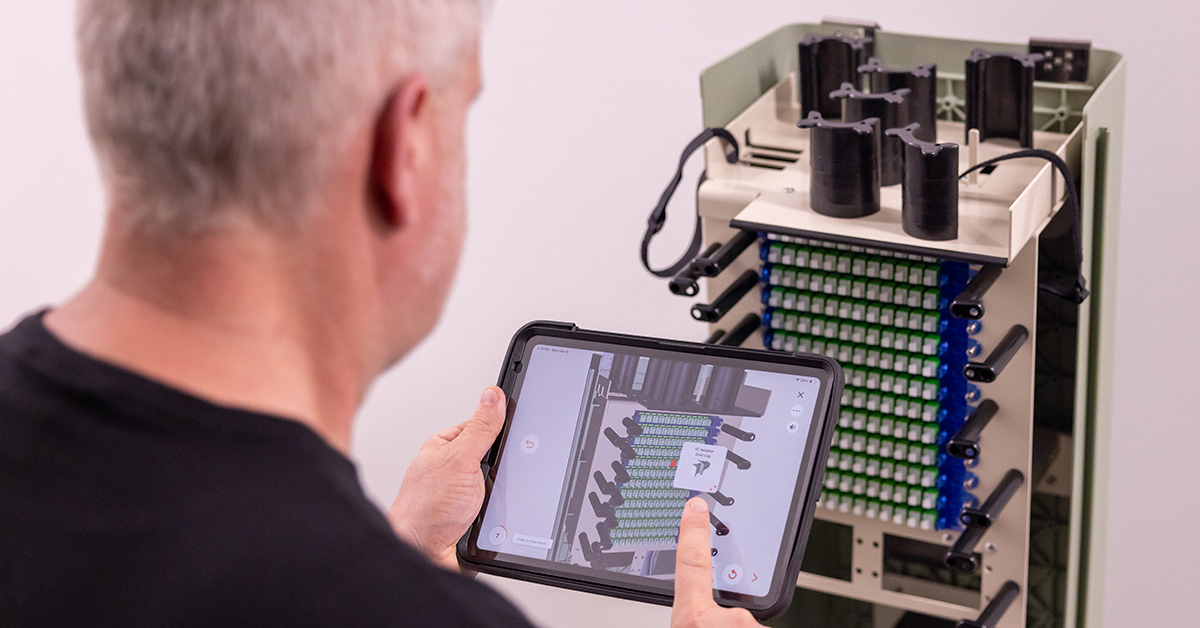
Repair resources and manuals
02
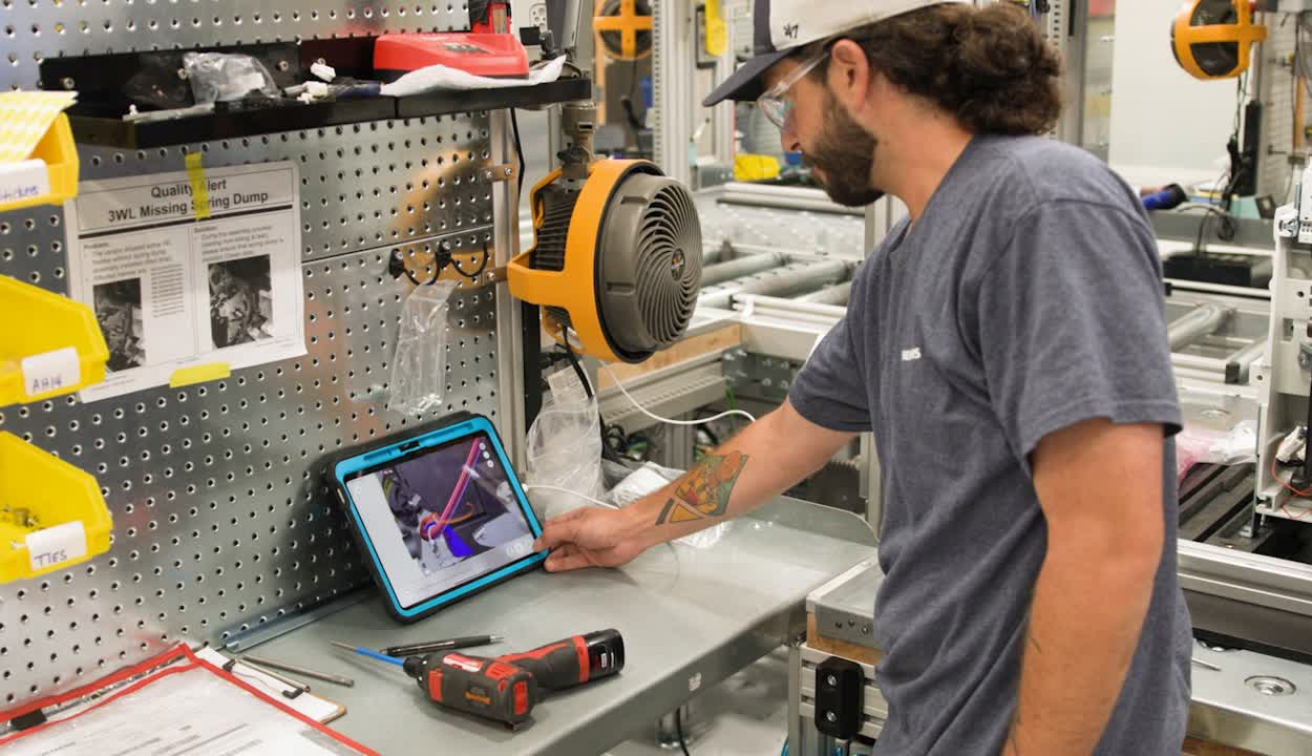
Diagnostic software and field tools
03
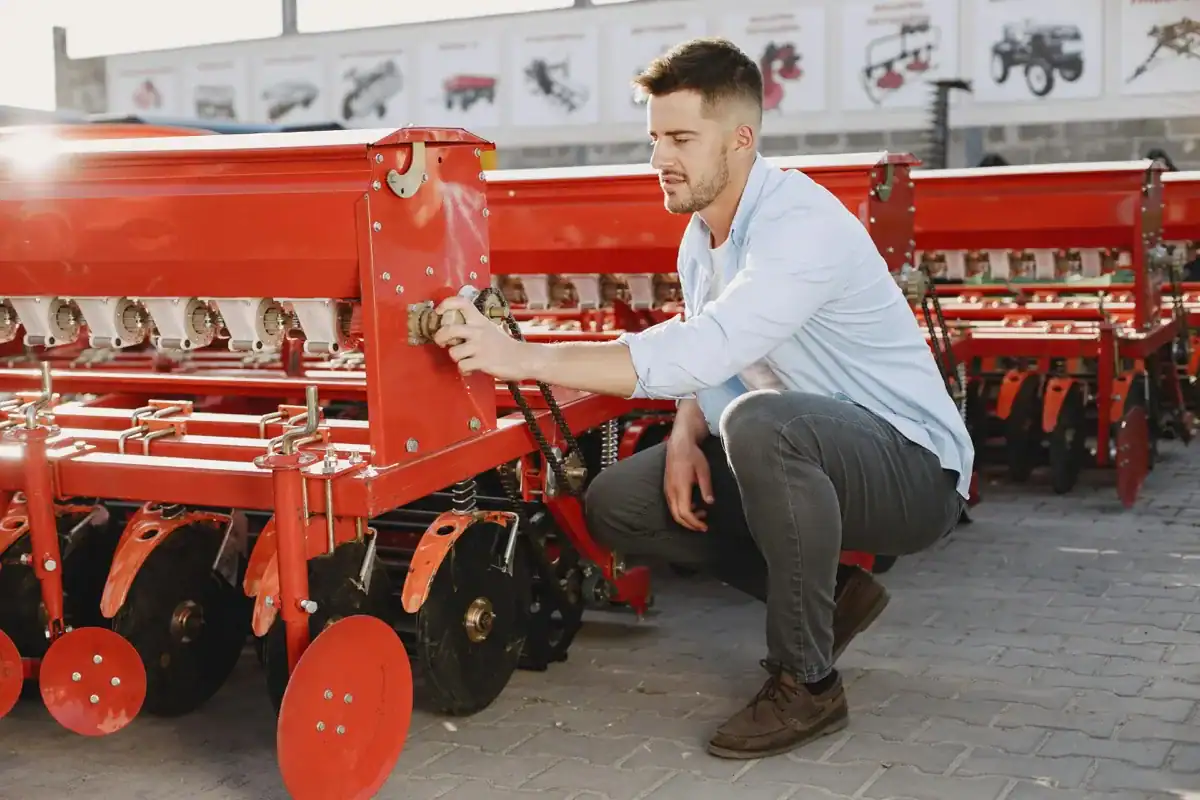
Service provider access
Built for the field, not just the dealer portal.
-
Works for any technician
Dealer technicians, independent shops, and field crews use the same source content with configurable access tiers.
-
Mobile-first with offline mode
Preloaded instructions work without wi-fi. Built for shop floors, remote service calls, and intermittent connectivity.
-
3D where 2D falls short
Guided procedures show what flat manuals describe. Step-precise instructions for every repair, diagnostic, and maintenance task.
-
Integrates with your stack
Embeds in dealer portals. Connects to SAP, Salesforce Service Cloud, and most major DAM, CMS, and service systems.
A decade of structured procedural data. Deployed at industrial scale.
8.3x
Efficiency gains on technician work
67
FTE equivalent productivity recovered
6 weeks
Pulled out of a complex delivery timeline
100s
Organizations across commercial, industrial, government.
13M+
Customers
275k+
Instructions delivered
Independent access without dismantling your dealer model.
The hardest internal question on right-to-repair is usually the same: how do you give independent technicians repair access without undercutting the dealer network?
BILT separates the layers. Dealers keep their full tooling, training depth, and revenue stream. Independent technicians get the repair instructions and diagnostic guidance the settlement requires. Same source content, different access tiers. Your dealer model intact.
Compliance becomes a content delivery decision, not a channel strategy decision.
The FTC is still watching.
The class action settled. The FTC antitrust case against Deere did not. Whatever standard the FTC sets in that proceeding will set the floor for the industry.
The OEMs that move first on practical access set their own pace. The ones that wait move on someone else’s timeline.
Right to repair, in practice.
-
What does the settlement actually require?
John Deere agreed to provide digital repair tools, diagnostics, and maintenance resources to customers and independent technicians for ten years. The settlement language covers three areas: repair, diagnostics, and service provider access. The court did not define usable, which is where practical access becomes the real test.
-
Does BILT replace our dealer technical support?
No. BILT augments it. Your dealers keep their existing tooling, training depth, and revenue. BILT delivers a content layer that can serve dealers and independent technicians from the same source content, with different access tiers.
-
How does this work with our existing service portal?
BILT integrates with most OEM service portals and content management systems. Content can be embedded inside your portal or accessed through BILT apps directly. We have established patterns for SAP, Salesforce Service Cloud, and most major DAM and CMS systems.
-
Who authors the content?
BILT's full-service authoring team builds the instructions to spec. We work from your existing CAD models, service manuals, and engineering documentation. Domain experts review every step before it ships. Customer teams can also author their own content on the bilt.ai platform as that capability rolls out.
-
How do you handle proprietary diagnostic information?
Tiered access. Proprietary or warranty-restricted procedures stay in dealer-only access. Settlement-required content stays open to independent technicians. Access tiers are configurable per content set.
-
How fast can we deploy?
First instruction sets can be in customer hands within weeks. Full coverage of a typical heavy equipment product line takes a few months. Authoring runs in parallel with deployment, so service teams can start using initial content before the full library is built.
-
Does this cover training, or only repair?
Both. The same structured content drives technician training (apprenticeship, certification, refresher) and field repair guidance. One content investment serves multiple downstream uses.
-
What about Apple Vision Pro and AR/VR?
BILT runs on Apple Vision Pro today, and on iOS, Android, and web. The same content runs on whatever surface a technician needs. No content rebuild for new hardware.
See BILT in 20 minutes
